Restoring Physical Expression to Digital Music
Philosophy behind FAD3RS, tactile automation, and the importance of physical gesture in modern digital music production.
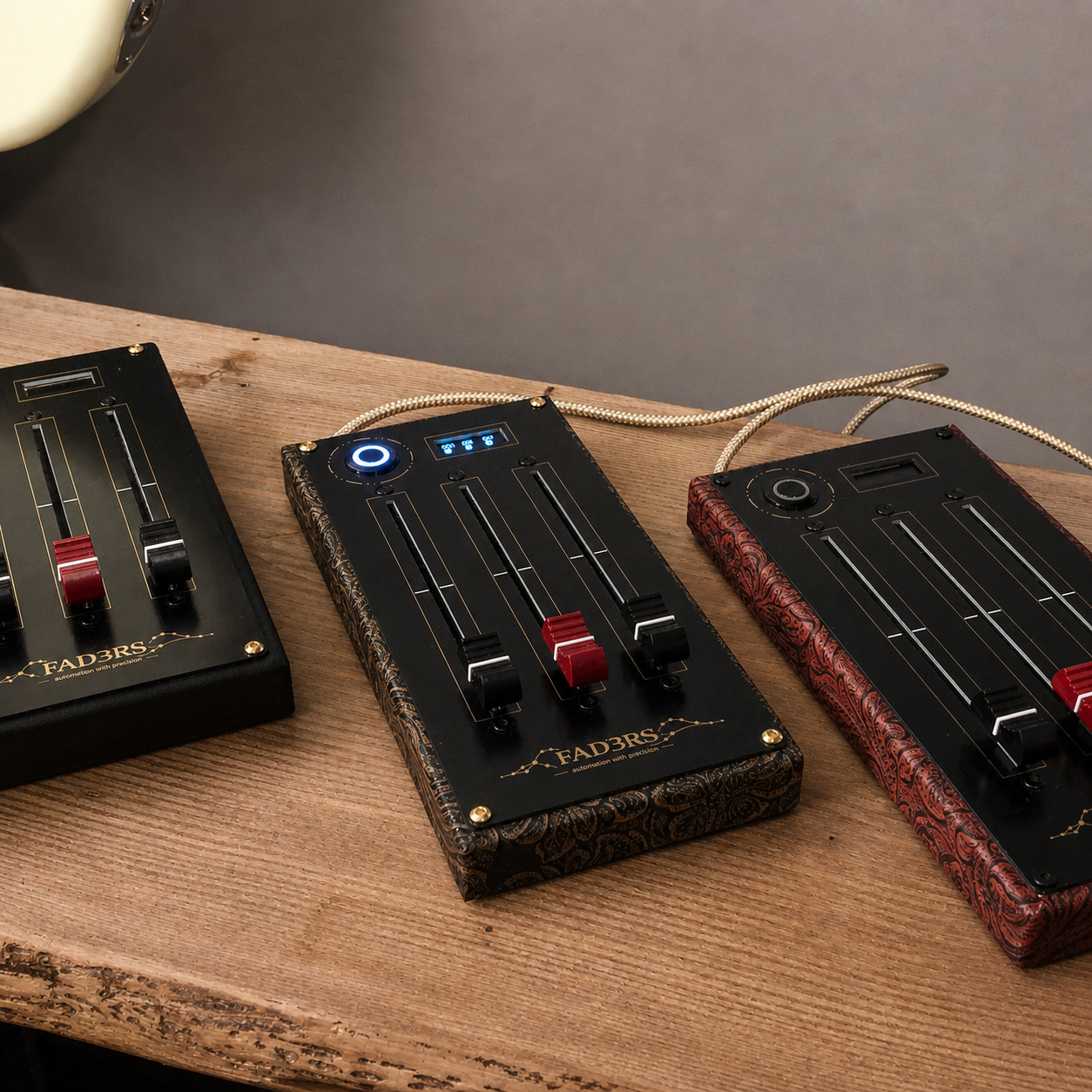
Modern music production has never been more powerful. Yet for many composers and producers, something essential slowly disappeared along the way: physical expression.
FAD3RS was born from that frustration.
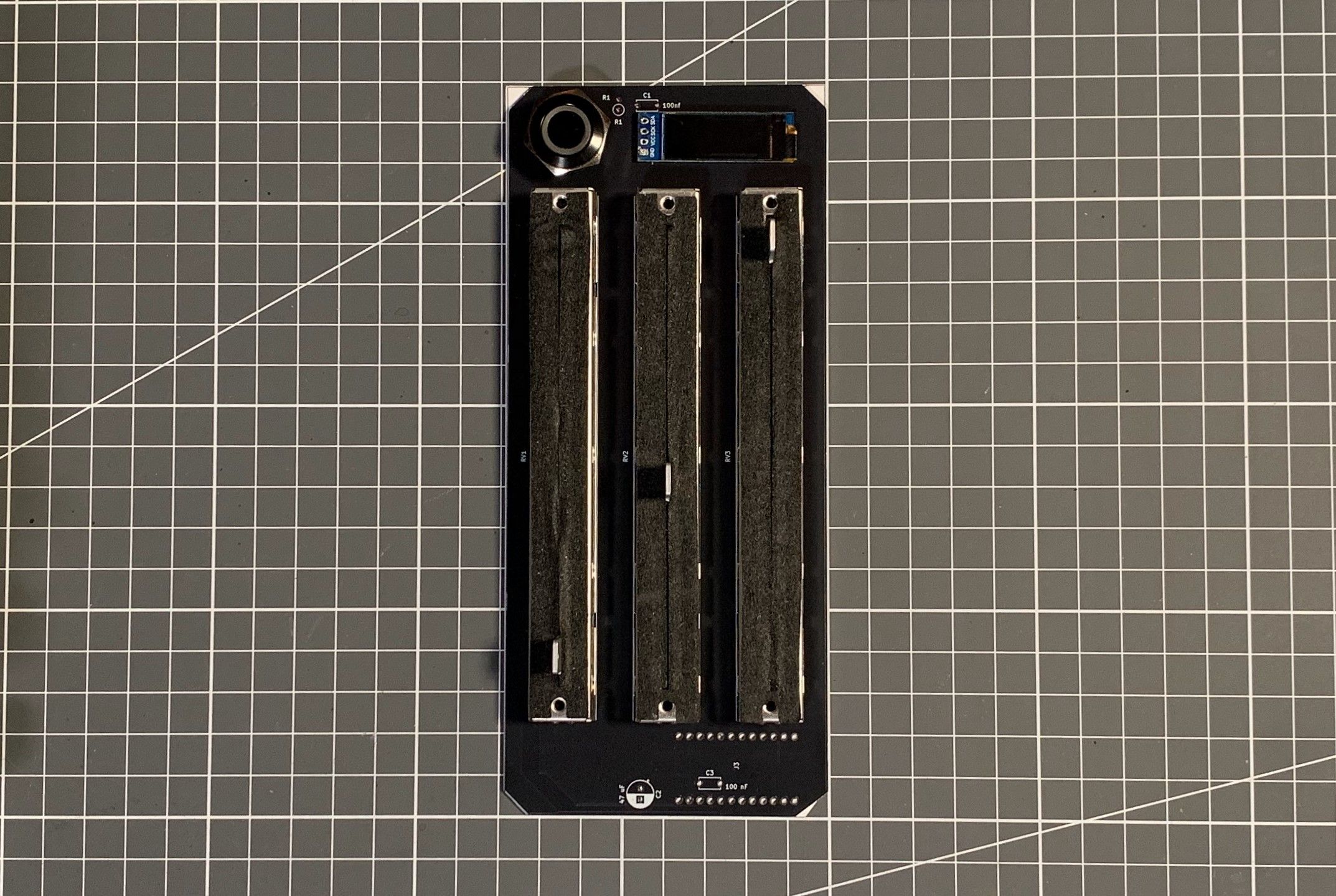
Finding a good MIDI controller today is surprisingly complicated. Most devices fall into two extremes. Either they are extremely expensive and overloaded with features most musicians never actually use, or they are cheaply built, unreliable, and frustrating after only a few weeks of use.
Scratchy faders, plastic enclosures, poor ergonomics, mandatory software just to change basic parameters — I kept running into the same compromises over and over again.
There are some excellent boutique makers building fader controllers, but they are often permanently out of stock, difficult to source, or simply not aligned with what I personally needed: the right footprint, the right feel, and complete simplicity of use.
Eventually, I decided to build my own.
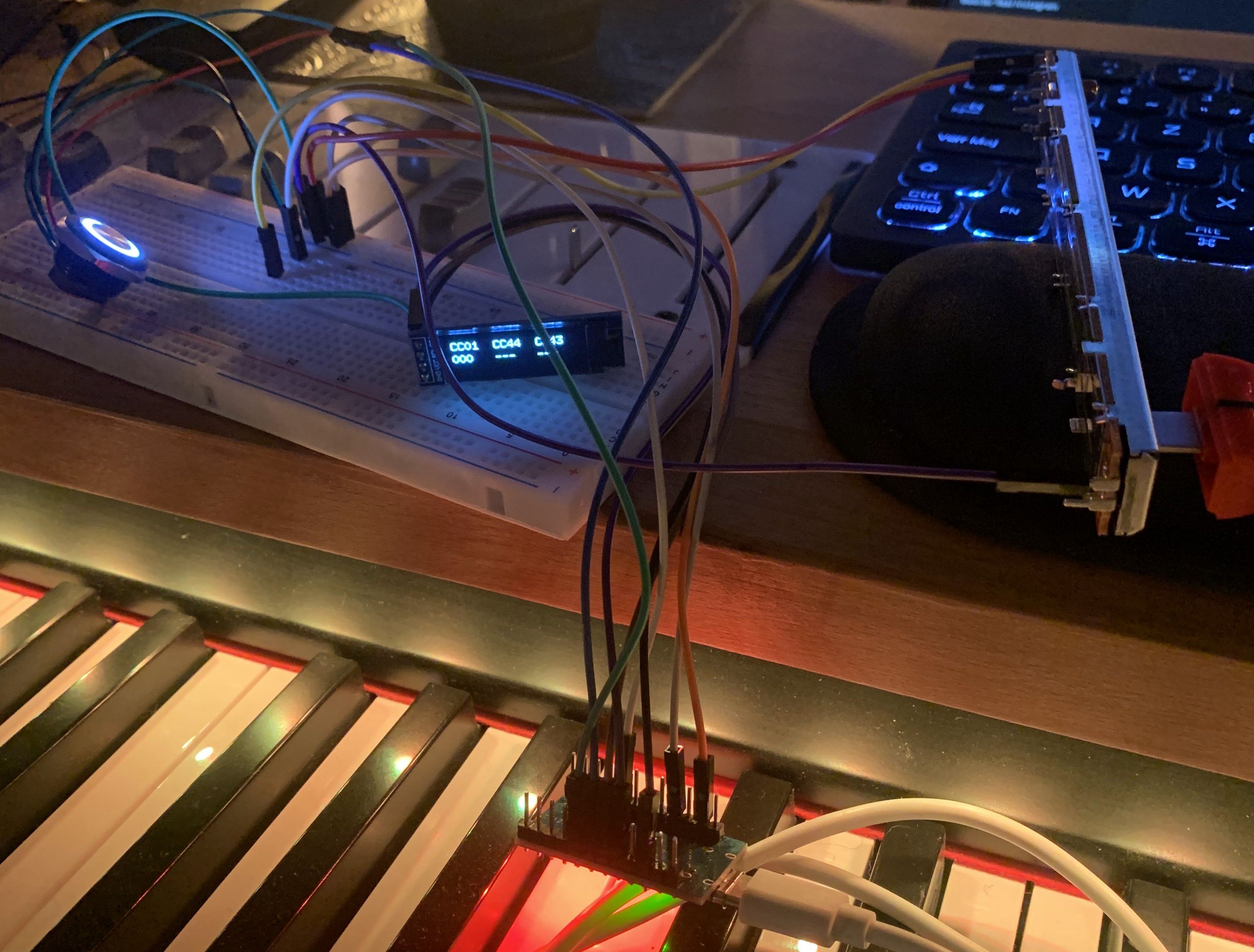
As a composer working mainly with orchestral and hybrid music, live performance inside the DAW is incredibly important to me. Dynamics create movement, tension, fragility, and impact, and when most of your instruments are virtual, the fader becomes one of the last physical connections between your body and the music itself.
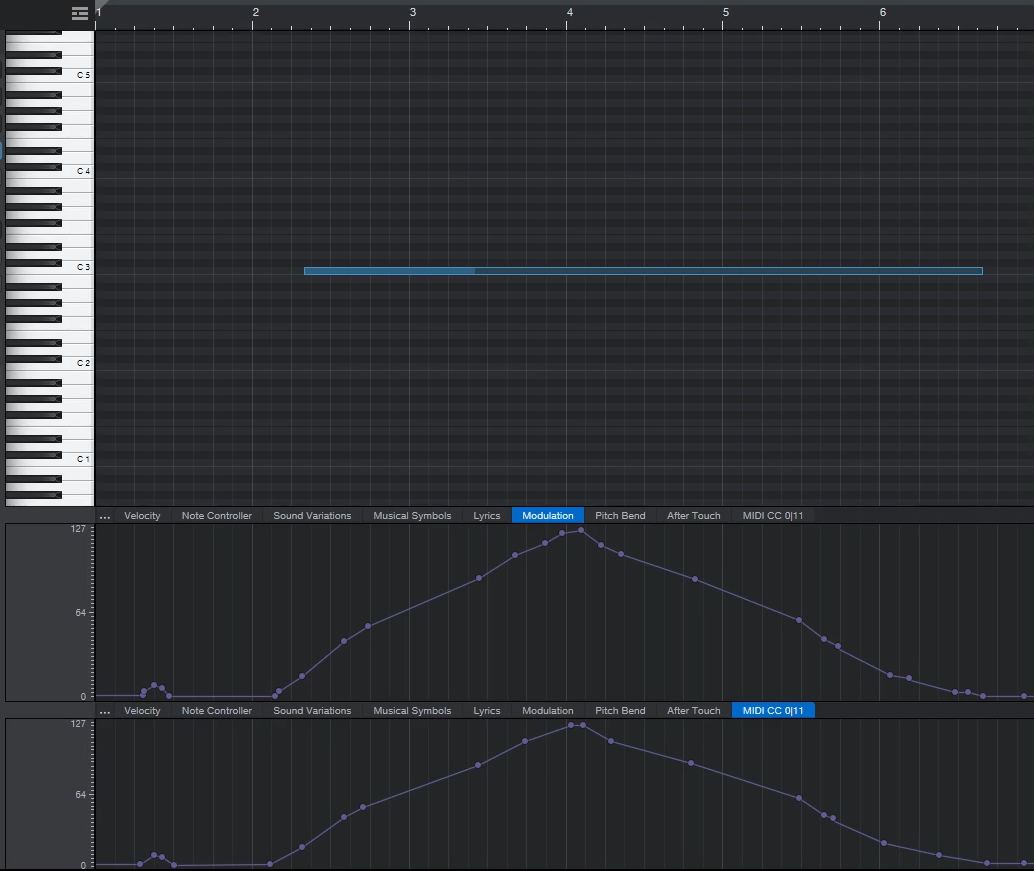
Drawing automation curves with a mouse almost always damages spontaneity. Musical interpretation slowly turns into technical correction, and even creating smooth automation manually can become tedious and strangely disconnected from the emotional intention behind the performance.
A good automation pass should feel played rather than edited.
That idea became the foundation of FAD3RS.
The format itself came naturally. Three faders felt like the right balance for the way I work. In my own workflow, I constantly use CC1 and CC11 simultaneously, while the third fader changes depending on the situation: vibrato depth, articulations, filters, expression layers, or any parameter that benefits from real-time control.
Adding more faders would have made the device larger, heavier, and less immediate. FAD3RS was never meant to become a mixing console. It is a focused performance tool designed to stay within reach at all times.
That compact desktop footprint became extremely important during development. Modern studio setups are already crowded, and ergonomics matter more than ever. A controller should integrate naturally into the workspace instead of dominating it.
FAD3RS is designed to feel like an extension of the hand rather than another piece of equipment sitting between the musician and the music.
One of the most important decisions during development was choosing high-quality Alps faders and building the entire controller around them. Their feel is central to the experience. They offer a subtle resistance that makes movements feel deliberate, smooth, and precise. Small adjustments remain controlled, while larger gestures still retain a real sense of intention and physicality. That tactile feedback changes the relationship to automation entirely. Instead of fighting the interface, the focus shifts back toward phrasing, dynamics, and performance.
While FAD3RS was initially designed around orchestral composition workflows, it quickly became clear that the philosophy extends much further. Sound designers, electronic musicians, mixing engineers, and even motion designers all rely on precise real-time control in different ways.
Some engineers use FAD3RS to ride vocals more naturally. Others use it to shape filters, control textures, or perform automation passes with far more fluidity than a mouse could ever provide.
At its core, the device is not really about orchestral music, or even MIDI itself. It is about restoring gesture to digital workflows.
Visually, FAD3RS follows the same philosophy as every Noisy by Nature product: understated, tactile, and built as a real working tool. The exposed ENIG copper finish on the faceplate comes directly from my background in modular synthesizers and my appreciation for visible materials and industrial textures.
The enclosure itself is wrapped in tolex, a material that has gradually become part of the Noisy by Nature identity. Beyond aesthetics, tolex brings warmth, texture, and durability. It transforms the controller from a generic desktop accessory into something closer to studio equipment or a musical instrument.
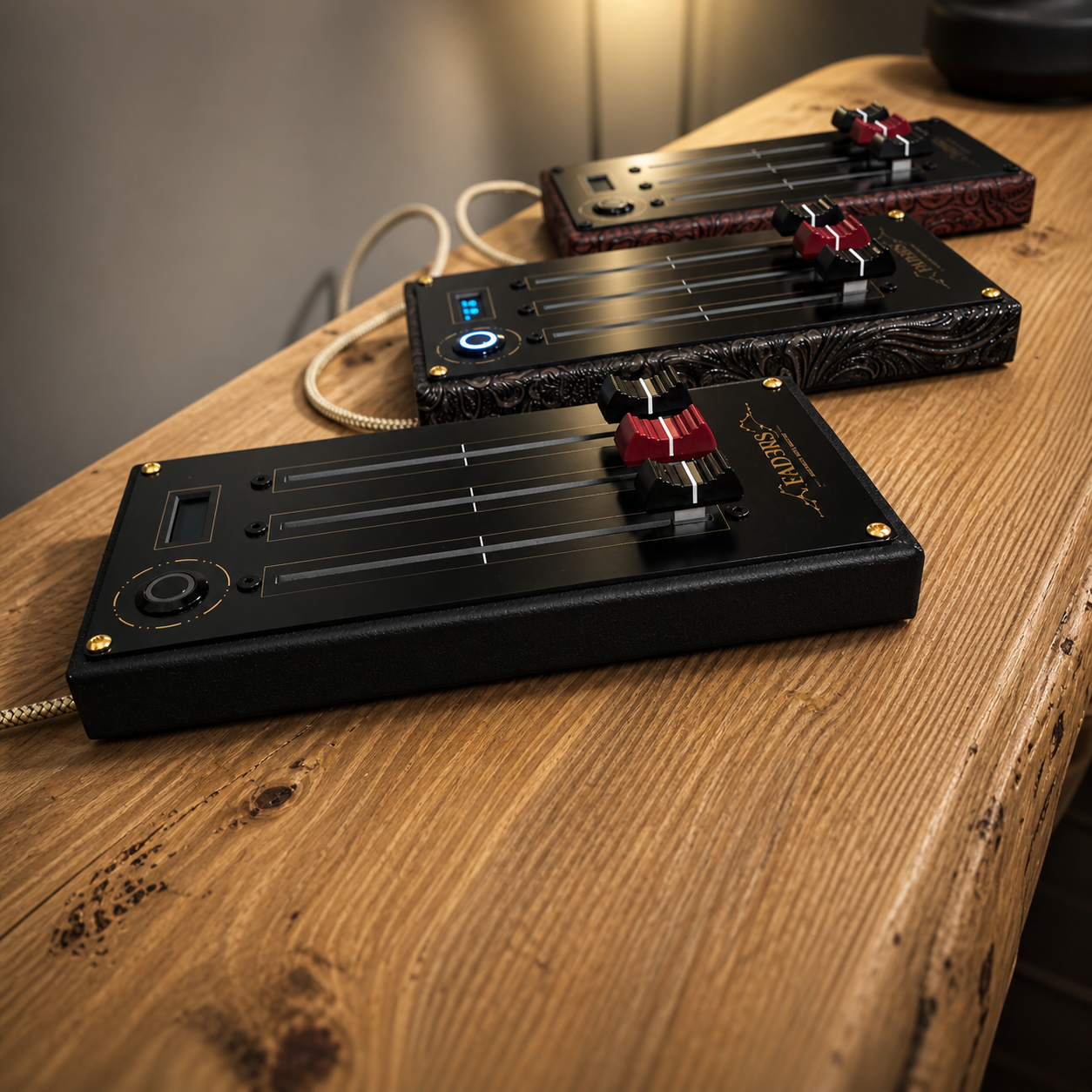
FAD3RS is not designed to impress with complexity. It exists to make digital performance feel physical again, because automation should feel like music — not graphic design.
Continue
FAD3RS